What Is Spasticity?
Spasticity is a condition characterized by involuntary muscle stiffness and contractions caused by disrupted signals between the nervous system and the muscles. It can limit the ability of muscles to lengthen, restrict joint movement, and, over time, contribute to contractures and deformities. As spasticity progresses, daily activities may become more difficult and quality of life may be significantly affected.
What Causes Spasticity?
Damage to different areas of the nervous system can disrupt normal muscle control and lead to spasticity. Common causes include:
- Brain injury and trauma,
- Spinal cord injury,
- Stroke,
- Cerebral palsy,
- Multiple sclerosis (MS),
- Other neurological conditions.
Correctly identifying the underlying cause of spasticity is important when developing an effective treatment plan. This allows treatment strategies to be tailored to support functional improvement and make daily activities easier.
Brain Injury and Trauma
Brain injury may occur after sudden trauma or other forms of damage to the brain and can lead to impaired function of nerve cells. Depending on the location and severity of the injury, consciousness, movement, sensation, and other neurological functions may be affected.
Early medical evaluation and appropriate rehabilitation are important for reducing complications and supporting functional recovery.
Spinal Cord Injury
Spinal cord injury occurs when the neural tissue within the spinal canal is damaged. Depending on the severity and level of the injury, mobility, independence, sensation, and other functions may be significantly affected.
A multidisciplinary rehabilitation approach can help patients make the best possible use of preserved functions and improve independence in daily life.
Stroke
Stroke occurs when blood flow to part of the brain is suddenly interrupted or when bleeding occurs within the brain. It may result in weakness, often affecting one side of the body.
Depending on the area of the brain affected, patients may also develop spasticity, muscle stiffness, and involuntary muscle contractions. Appropriate physiotherapy, rehabilitation, and other spasticity management strategies may help improve movement and functional ability.
Cerebral Palsy
Cerebral palsy results from injury or abnormal development of the developing brain, occurring before birth, during birth, or in early childhood.
It may cause persistent difficulties with movement coordination, balance, posture, and muscle control. Early assessment and appropriate supportive therapies can help children maximize their functional potential and independence.
Multiple Sclerosis (MS)
Multiple sclerosis (MS) is a chronic neurological disease in which the immune system damages the protective myelin covering nerve fibers in the central nervous system.
This damage can interfere with nerve signals involved in muscle control and may lead to spasticity. The severity of muscle stiffness and involuntary movements may vary over time depending on the course of the disease.
Other Neurological Conditions
Other neurological disorders may affect nerve signaling and interfere with normal muscle control.
In some genetic, metabolic, or other neurological conditions, spasticity may be one of the clinical findings. A multidisciplinary assessment can help identify the underlying cause and guide an appropriate treatment plan.
What Are the Symptoms of Spasticity?
Spasticity can cause noticeable changes in movement and daily function. Recognizing the symptoms is important for initiating appropriate evaluation and treatment.
Common symptoms may include:
- Muscle stiffness and painful spasms,
- Restricted or difficult movement,
- Muscle weakness and fatigue,
- Abnormal posture or movement patterns.
Early recognition and appropriate management may help prevent secondary complications and improve quality of life.
Muscle Stiffness and Painful Spasms
Spasticity can cause muscles to remain abnormally tense because of altered communication between the nervous system and the muscles.
Persistent muscle overactivity may lead to stiffness, discomfort, pain, and reduced range of motion.
Restricted and Difficult Movement
Increased muscle tone may make planned and controlled movements more difficult.
This can interfere with walking, transfers, dressing, personal care, and other daily activities, potentially reducing independence.
Muscle Weakness and Fatigue
Spasticity may occur together with muscle weakness and impaired motor control.
Involuntary muscle activity can increase the effort required to perform movements, contributing to fatigue and reduced endurance during daily activities.
Abnormal Posture and Movement Patterns
Abnormal muscle activation may create an imbalance between muscle groups and lead to altered posture and movement patterns.
This can affect walking, balance, joint alignment, and functional movement. If persistent, abnormal positioning may contribute to musculoskeletal complications such as contractures.
How Is Spasticity Diagnosed?
Spasticity is primarily evaluated through the patient’s medical history and a detailed clinical examination.
Assessment may include:
- Physical examination and medical history,
- Evaluation of muscle tone and reflexes,
- Electromyography (EMG) or nerve conduction studies when clinically indicated,
- Imaging methods such as MRI or CT when needed to investigate the underlying neurological condition.
The assessment aims not only to determine whether spasticity is present, but also to understand how it affects movement, comfort, care, and daily function.
Physical Examination and Medical History
Assessment of muscle tone is one of the key components of evaluating spasticity.
The physician reviews the underlying neurological condition, duration of symptoms, pain, functional limitations, movement difficulties, and impact on daily life.
This information helps guide treatment planning.
Electromyography (EMG) and Nerve Conduction Studies
Electromyography measures electrical activity in muscles and may be used in selected cases to evaluate neuromuscular function.
Nerve conduction studies assess how electrical signals travel through peripheral nerves.
These tests are not required to diagnose spasticity in every patient, but they may be useful when additional neuromuscular disorders need to be investigated.
Imaging Methods (MRI and CT)
Magnetic resonance imaging (MRI) and computed tomography (CT) may be used to identify structural abnormalities in the brain or spinal cord that could be related to the underlying neurological condition.
Imaging findings are interpreted together with the patient’s clinical examination and medical history.
What Are the Treatment Options for Spasticity?
Spasticity treatment varies according to the underlying neurological condition, severity of symptoms, distribution of muscle involvement, functional goals, and impact on daily life.
Treatment options may include:
- Physical therapy and rehabilitation,
- Oral medications and muscle relaxants,
- Botulinum toxin injections,
- Intrathecal baclofen pump therapy,
- Surgical treatment in selected cases.
Treatment is individualized for each patient and may need to be reassessed over time.
Physical Therapy and Rehabilitation
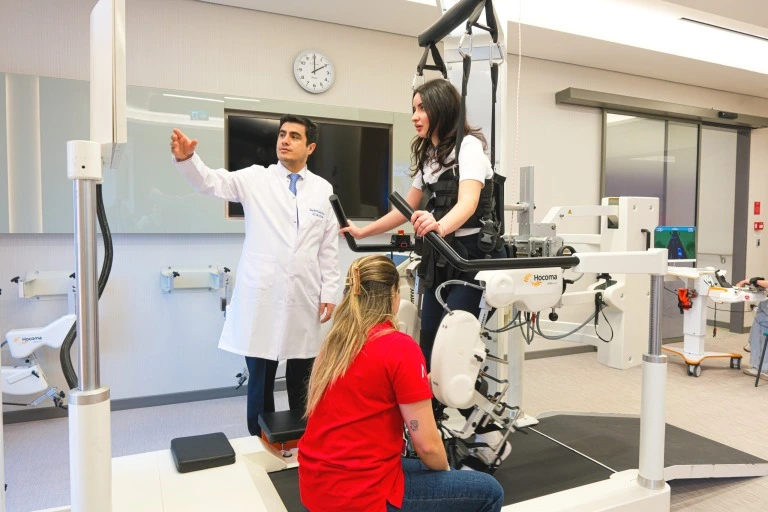
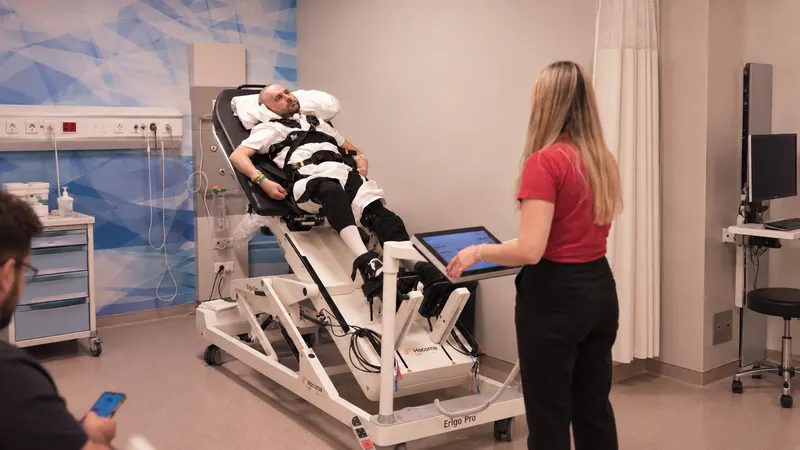
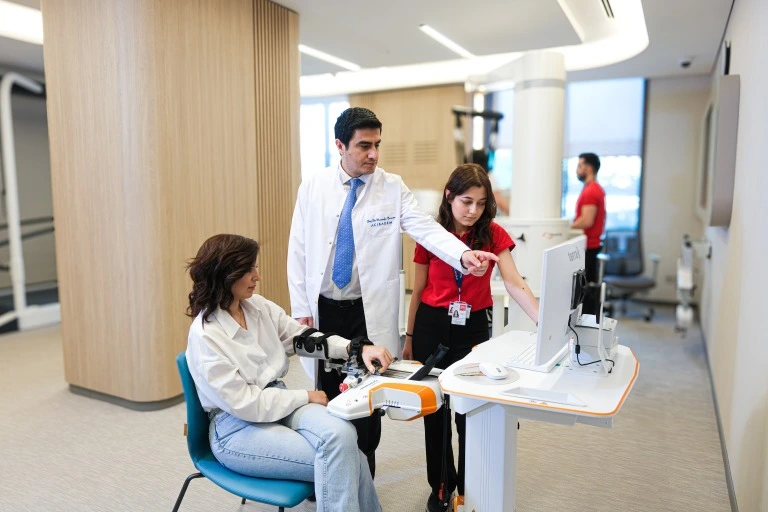
Physical therapy and rehabilitation are important components of spasticity management.
Treatment may include stretching, positioning, range-of-motion exercises, strengthening, balance training, and functional movement practice.
The goal is not simply to reduce muscle stiffness, but also to maintain mobility, prevent secondary complications, and improve functional independence.
Medications and Muscle Relaxants
Medications may be used to reduce excessive muscle activity in patients with generalized or functionally significant spasticity.
The choice of medication depends on the patient’s symptoms, medical condition, potential side effects, and treatment goals.
Botulinum Toxin Injections
Botulinum toxin injections are used to temporarily reduce excessive activity in selected muscles.
They are particularly useful when spasticity affects specific muscle groups and interferes with movement, positioning, hygiene, comfort, or daily activities.
Botulinum toxin treatment is usually combined with rehabilitation to maximize functional benefit.
Intrathecal Baclofen Pump Therapy
An intrathecal baclofen pump delivers medication directly into the fluid surrounding the spinal cord.
Because the medication acts closer to the central nervous system, lower doses may be used compared with oral treatment in selected patients.
The pump is surgically implanted and programmed externally to deliver an individualized dose. It may be considered in patients with severe or widespread spasticity that is not adequately controlled with other treatment options.
Surgical Treatment Options
Surgical treatment may be considered in selected patients with severe spasticity when other treatment approaches do not provide adequate benefit.
Procedures may involve nerves, tendons, muscles, or orthopedic structures depending on the patient’s condition and functional goals.
Surgical decisions require careful multidisciplinary assessment.
Living with Spasticity: Strategies for Daily Life
Although spasticity may create limitations in movement and daily activities, individualized strategies can help improve comfort, safety, and independence.
These may include:
- Regular exercise and stretching programs,
- Use of assistive devices,
- Psychological support and social participation.
Consistent management can help reduce the impact of spasticity on everyday life and support greater independence.
Exercise and Stretching Programs
Regular stretching may help maintain muscle length and joint range of motion.
Goal-directed exercise can also support flexibility, balance, coordination, strength, and functional movement.
Exercise programs should be individualized according to the patient’s neurological condition, level of spasticity, and functional goals.
Use of Assistive Devices
Assistive devices such as canes, walkers, orthoses, or adapted handles may improve safety and independence in daily activities.
The type of equipment should be selected according to the patient’s functional needs and evaluated by the rehabilitation team.
Psychological Support and Social Participation
Living with a chronic neurological condition and spasticity can affect motivation, emotional well-being, and social participation.
When needed, psychological counseling, rehabilitation support, and participation in appropriate social activities may help patients cope with the emotional and social effects of their condition.
Frequently Asked Questions About Spasticity
What Is Spasticity?
Spasticity is a condition associated with damage to the central nervous system that causes abnormal increases in muscle tone and involuntary muscle stiffness. It may interfere with movement control and daily activities.
Which Conditions Can Cause Spasticity?
Spasticity is commonly seen in neurological conditions such as stroke, cerebral palsy, multiple sclerosis, traumatic brain injury, and spinal cord injury.
What Are the Symptoms of Spasticity?
Common symptoms include muscle stiffness, involuntary spasms, restricted movement, abnormal posture, increased reflexes, and difficulty performing functional movements.
Is Spasticity Painful?
Spasticity can be painful in some patients, particularly when persistent muscle tightness, spasms, joint restriction, or abnormal positioning is present.
Can Spasticity Be Treated?
Spasticity may not always be completely eliminated, but it can often be managed effectively. Treatment may include rehabilitation, medications, botulinum toxin injections, intrathecal baclofen therapy, and selected surgical interventions.
Can the Progression of Spasticity Be Prevented?
Appropriate treatment, regular rehabilitation, positioning, stretching, and prevention of contractures may help reduce secondary complications associated with spasticity. The course of spasticity depends largely on the underlying neurological condition.
How Is Spasticity Diagnosed?
Diagnosis is primarily based on medical history and physical examination, including assessment of muscle tone, reflexes, and functional impact. Additional tests such as imaging or electrophysiological studies may be used when clinically necessary.
How Is Botulinum Toxin Used to Treat Spasticity?
Botulinum toxin is injected directly into selected overactive muscles to temporarily reduce excessive muscle activity. This can improve positioning, range of motion, comfort, hygiene, and functional movement in appropriately selected patients.
What Is a Baclofen Pump and How Does It Work?
An intrathecal baclofen pump is a surgically implanted system that delivers baclofen directly into the fluid surrounding the spinal cord. It may be considered for severe or generalized spasticity when other treatments do not provide sufficient control.
When Is Surgery Considered for Spasticity?
Surgery may be considered when severe spasticity significantly limits function, positioning, hygiene, or care and when conservative or medical treatments have not provided sufficient benefit. The type of procedure depends on the patient’s individual condition and treatment goals.